

Antibodies are proteins with the remarkable ability to bind specifically to virtually any biological molecule. This makes them perfectly suited to finding, tracking, and even manipulating proteins in a wide range of biological experiments.
But if you’re trying to leverage them in your research, you may find yourself wondering about the source of their superpowers. How do antibodies recognize their targets? What’s an antibody’s structure? And how can this one kind of protein bind to so many different molecules?
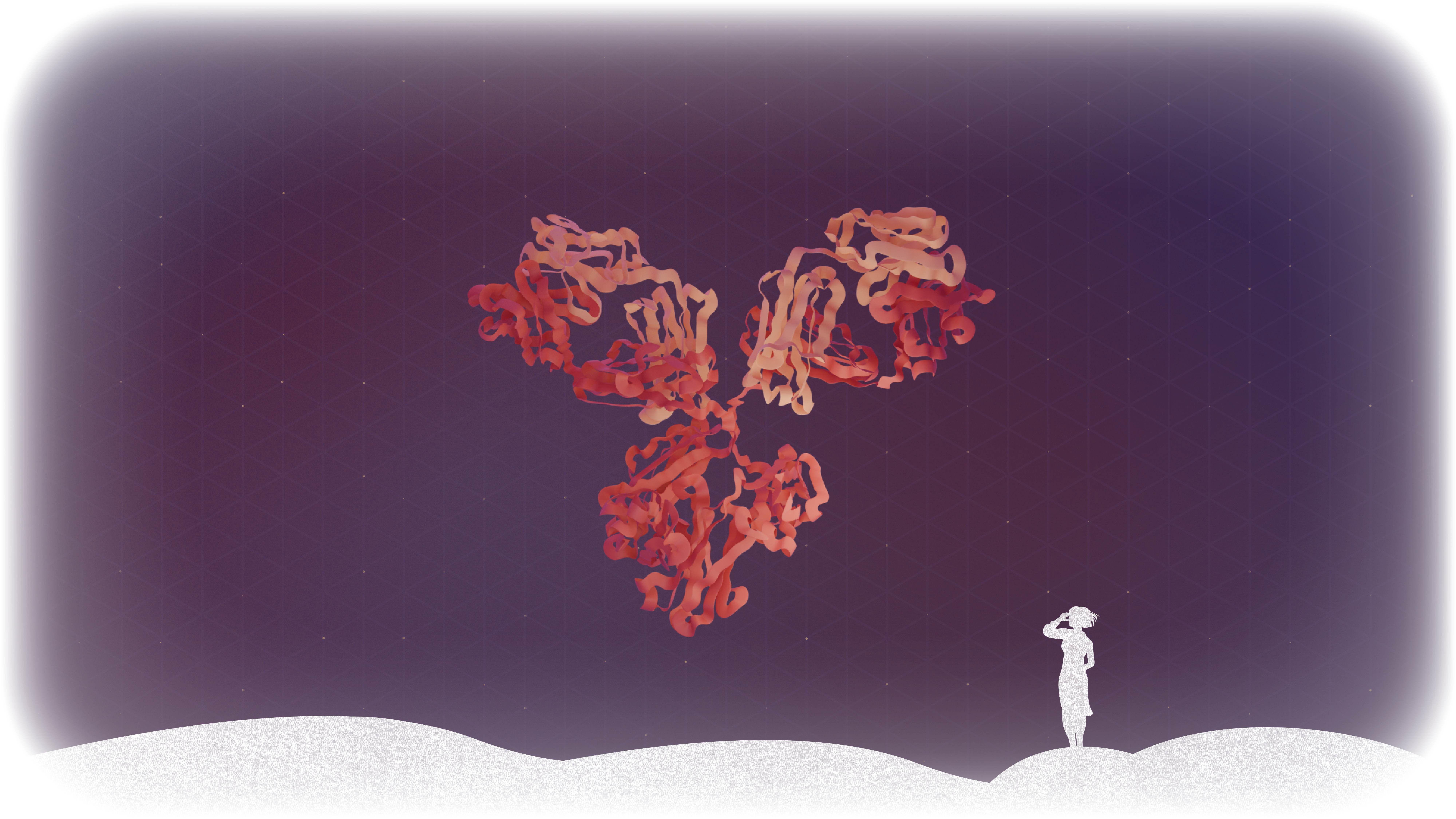
What are antibodies?
Antibodies are innovations of vertebrate immune systems, evolved to recognize and bind to any molecules that portend a threat. But in the lab, researchers can use antibodies to bind to molecules they want to study — provided they can find one with the binding specificity they need.
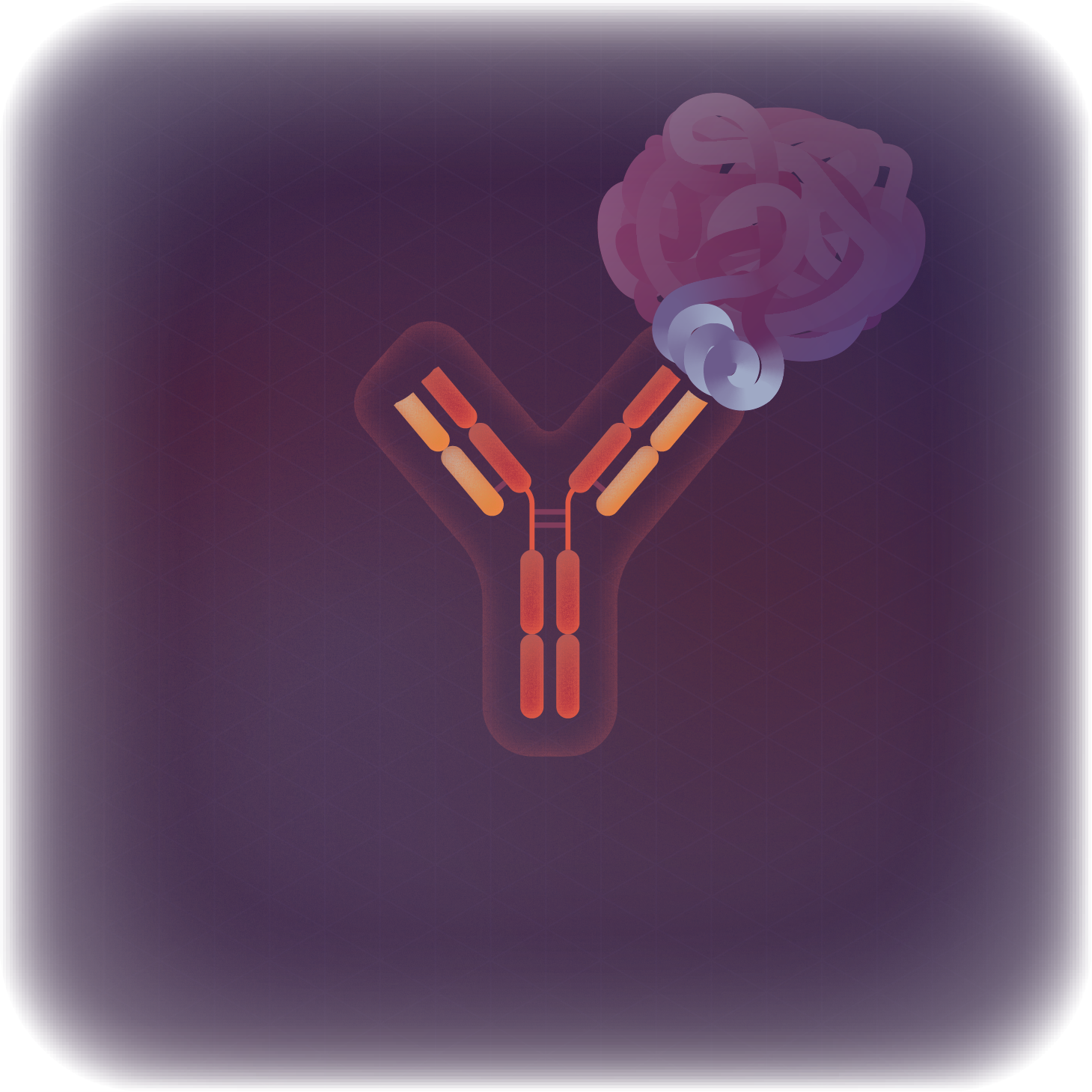
Whether in the body or in the lab, antibodies’ targets are called antigens, and the particular regions that antibodies recognize are epitopes.
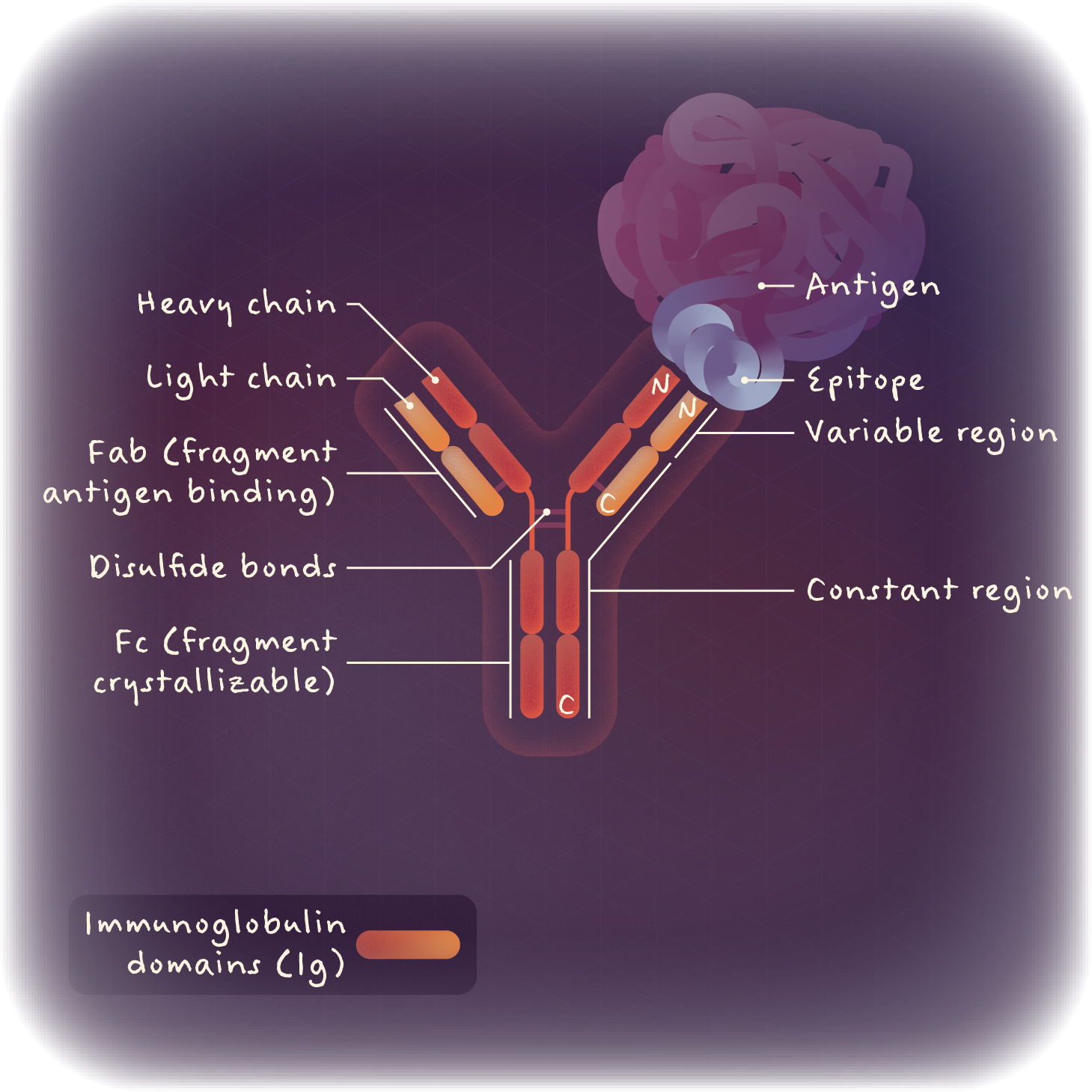
Most natural antibodies are complexes of four polypeptide chains: two identical long, “heavy” chains and two identical short, “light” chains. Each chain is composed of immunoglobulin (Ig) domains. Most commonly, the four chains fold into what can be simplified as a Y-shaped structure stabilized by noncovalent interactions and disulfide bonds.
This structure — overall consistent, yet immensely variable — gives antibodies their signature ability to bind to virtually any antigen.
Let’s break it down.
Hover to view labels.
The antigen-binding arms
Within an antibody’s Y-shaped structure, the two arms are what bind to antigens. Thus they’re called antigen-binding fragments, or Fab regions. Each Fab is formed by one light chain and the two N-terminal domains of one heavy chain.
The presence of two Fabs renders an antibody bivalent — able to bind to two antigens at once. And since, in a natural antibody, the two Fabs are identical, the antibody can bind to two of the same antigen.Between different antibodies, though, Fabs vary greatly — especially at their tips, where they make contact with antigens. We’ll say more about this in a moment.
The stable stem
The stem of the Y is relatively constant across different antibodies. Dubbed the Fc region, it is formed by the C-terminal domains of the heavy chains.
A bit of history: The name “Fc” originally stood for “crystallizable fragment” — so named when researchers discovered that antibody fragments containing just this portion crystallized in the refrigerator. It’s now generally taken to mean “constant fragment.”
In the body, the Fc region interacts with other components of the immune system to stimulate a response, so it’s also called the “effector domain.” It comes in several versions, which determine the particular immune components an antibody activates and define an antibody’s isotype. In mammals, antibody isotypes fall into five classes: IgA, IgD, IgE, IgG, and IgM. Perhaps you’ve heard of IgG antibodies; those are a major isotype in the blood dominating secondary immune responses, and they have the classical Y shape commonly associated with antibodies (IgM and IgA molecules have different shapes!).
In the lab, researchers use the Fc region as a convenient handle for covalently conjugating chemical groups like fluorescent tags or drugs, or for targeting with other antibodies, called secondary antibodies.
Hover to view labels.
Little loops, vast variability
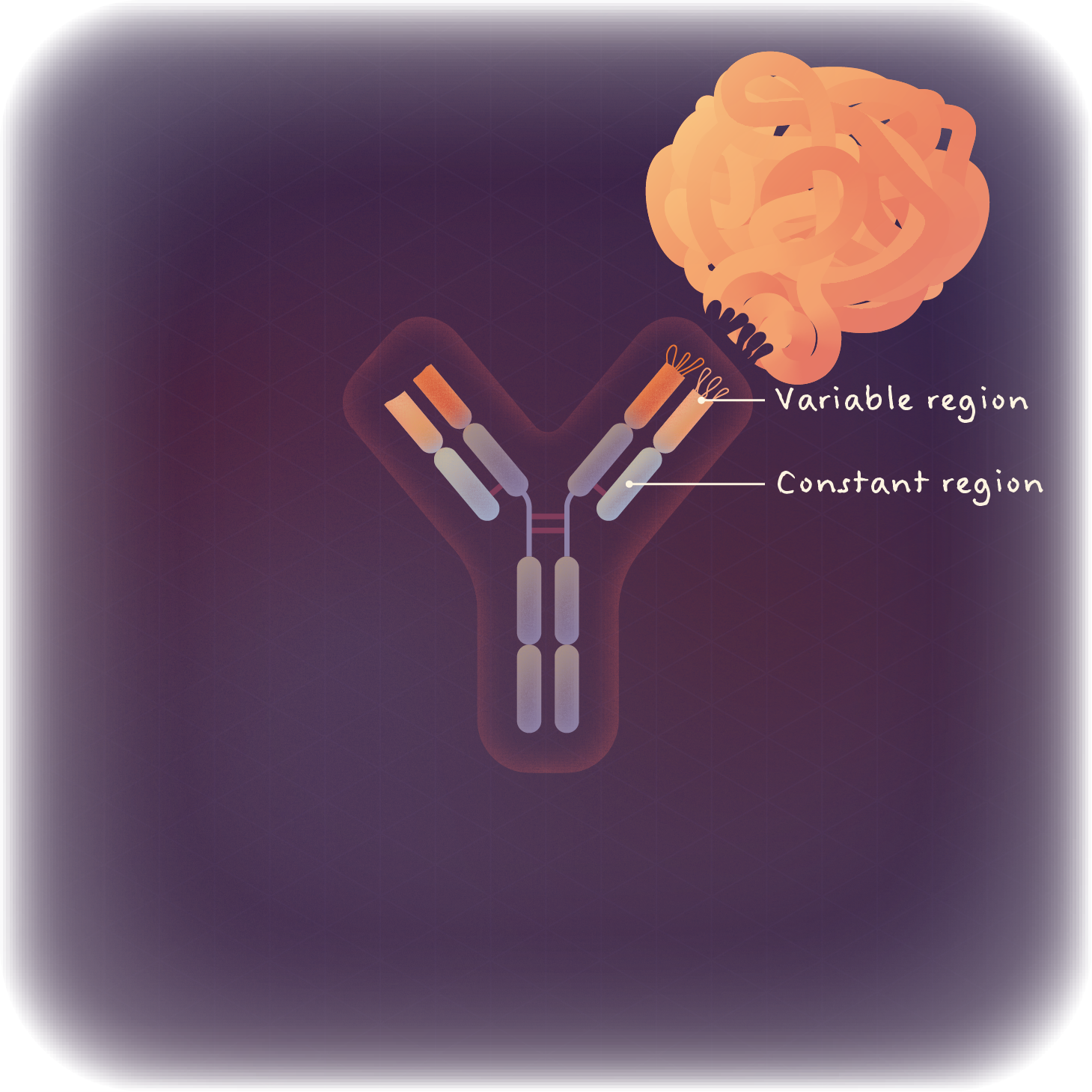
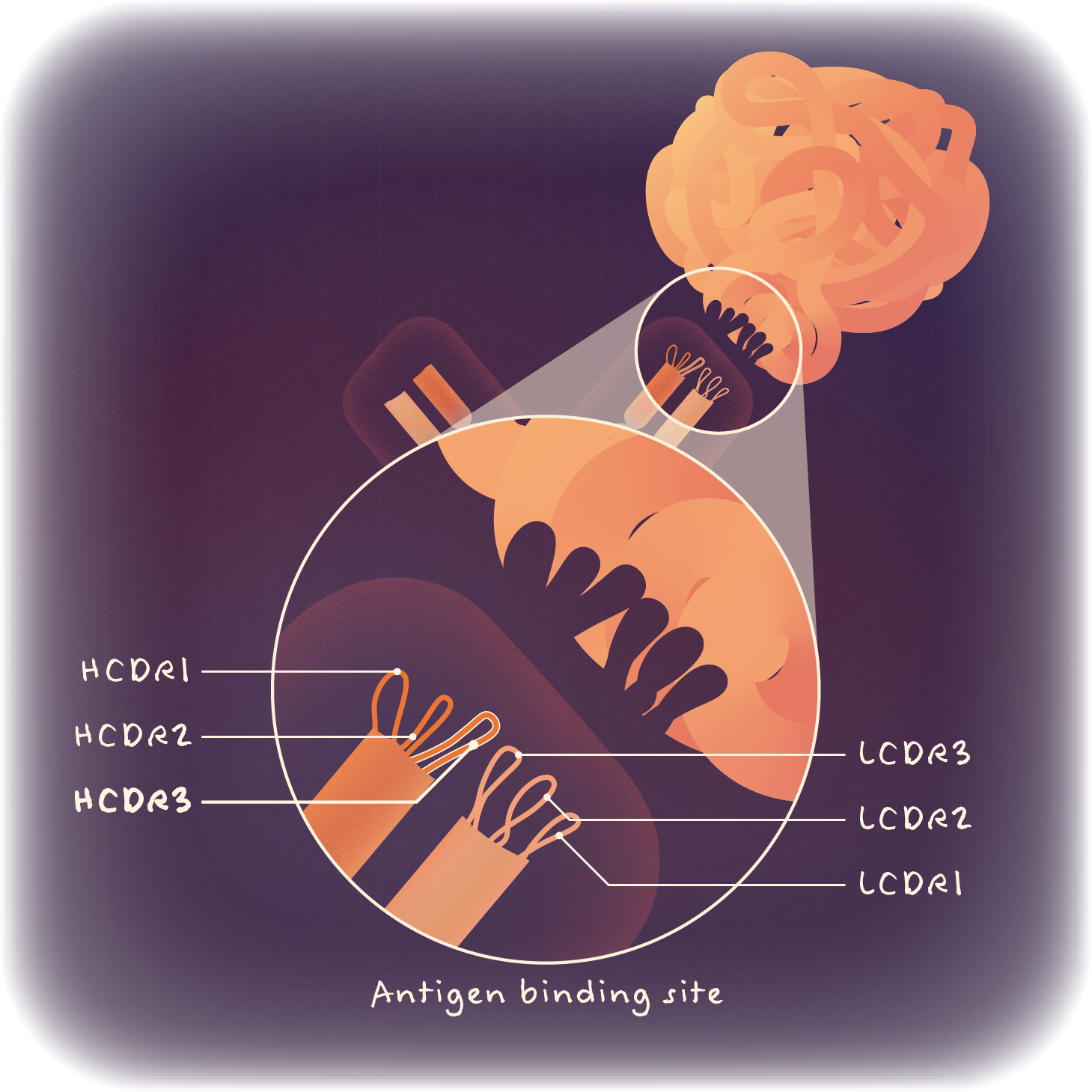
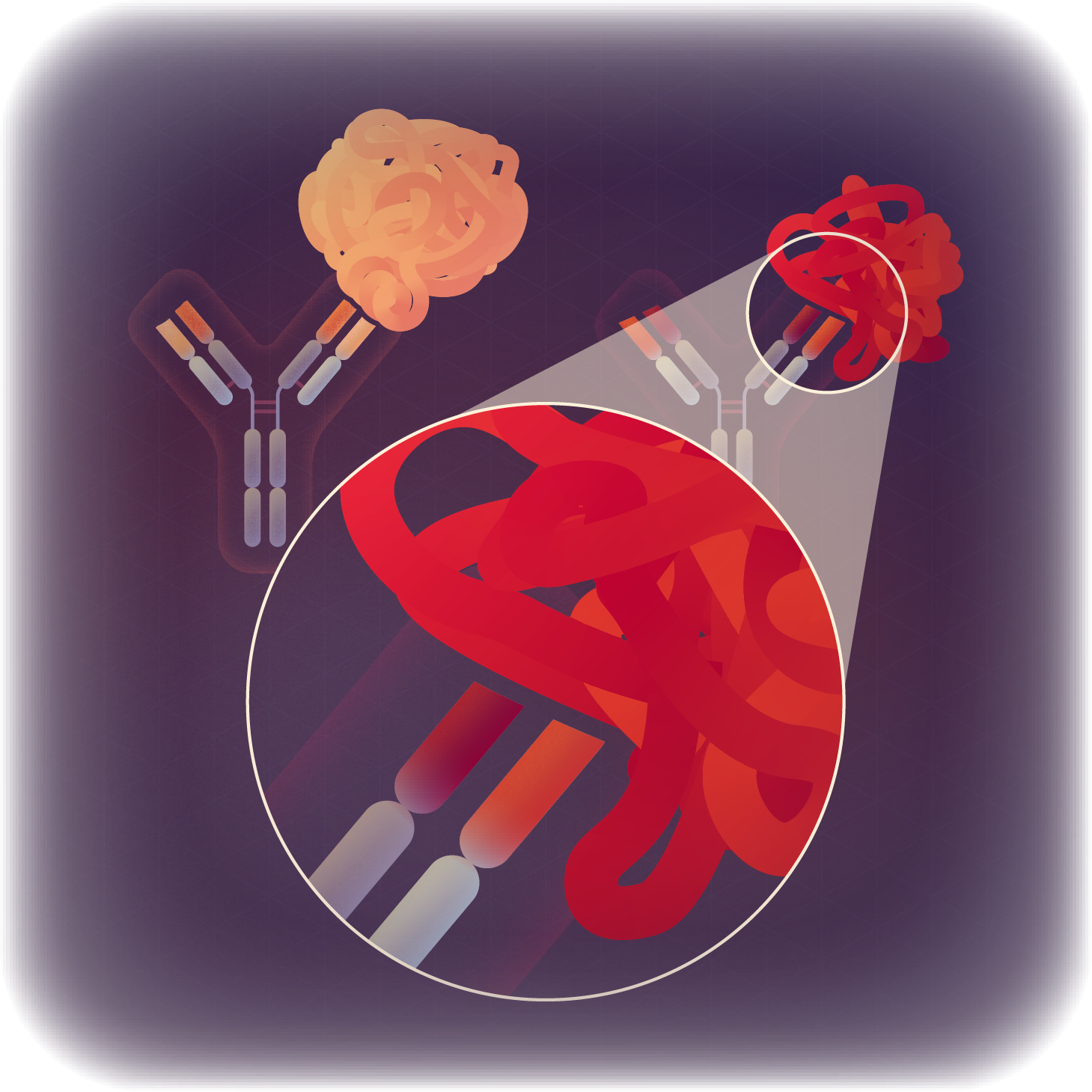
Let’s look more closely at an antibody’s antigen-binding site, also called the paratope. As we’ve said, this site contains most of the sequence diversity among natural antibodies and determines an antibody’s binding specificity. It’s composed of six short loops — three on the heavy chain and three on the light chain — that go by the names hypervariable loops or complementarity–determining regions (CDRs). Each loop is only 5–16 amino acids long, with the length varying between antibodies; together, they recognize epitopes.
Within the antigen-binding site, the third loop on the heavy chain, called HCDR3 or CDRH3, is the most variable part. Generally, the HCDR3 plays the biggest role in defining an antibody’s specificity.
Hover to view labels.

Hover to pause animation.
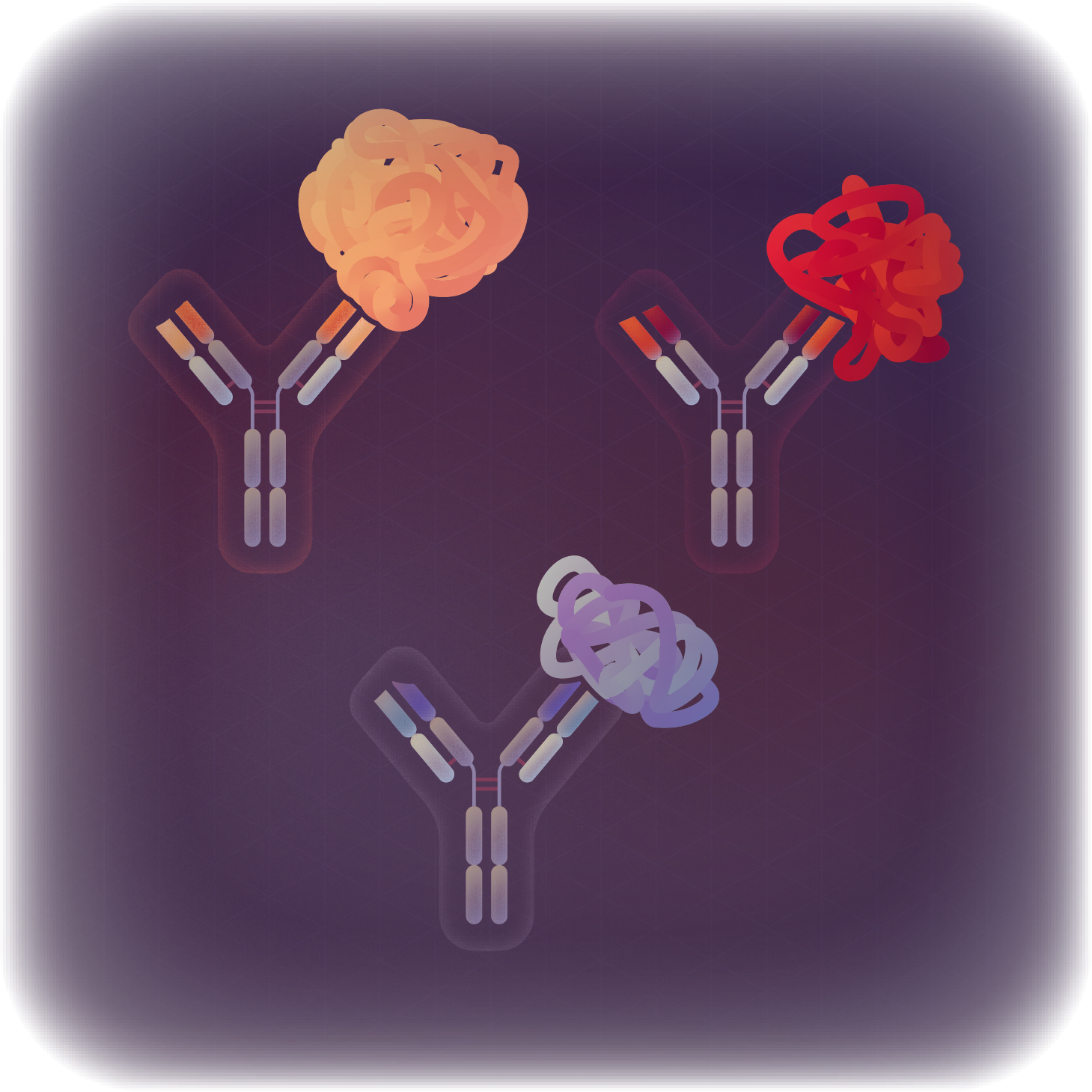
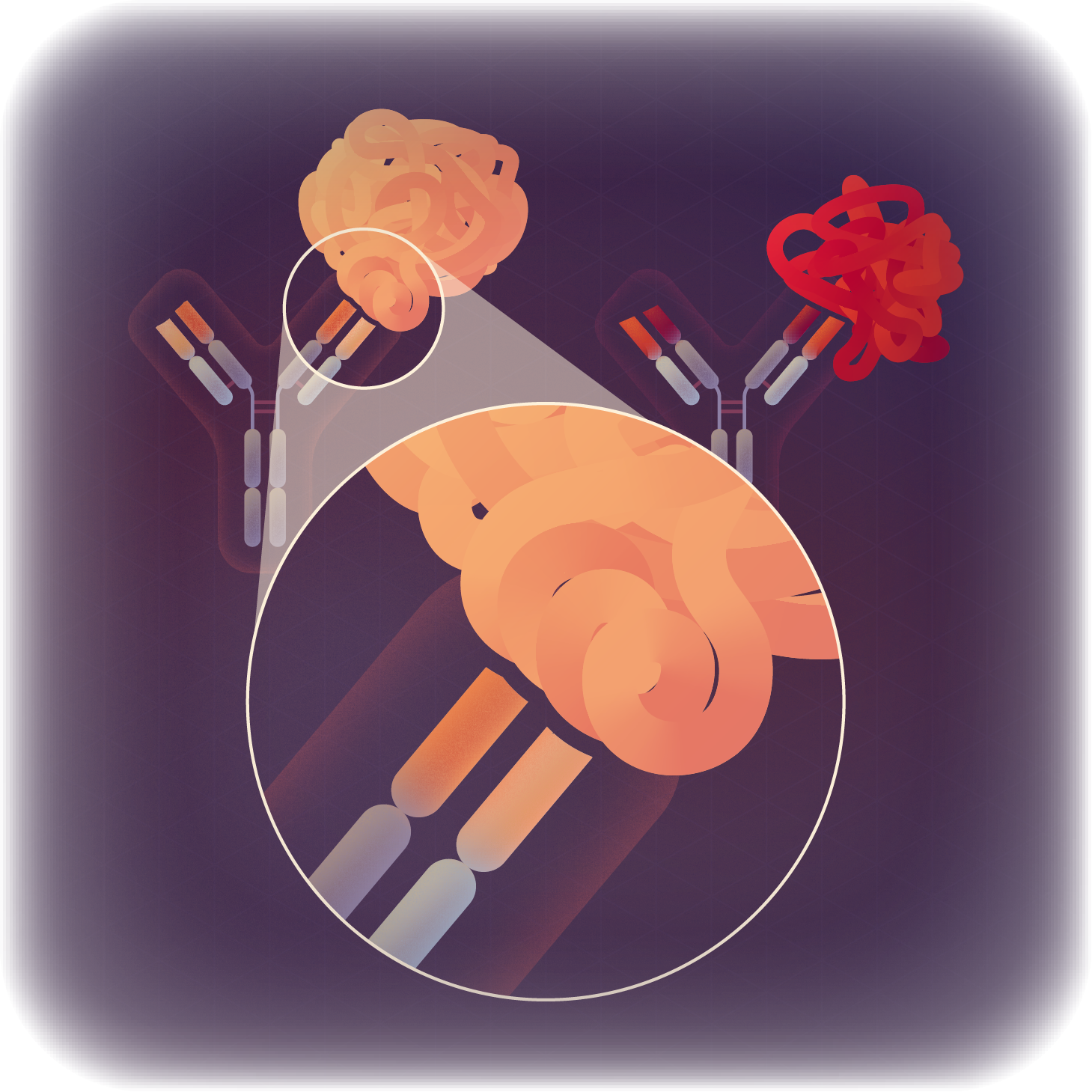
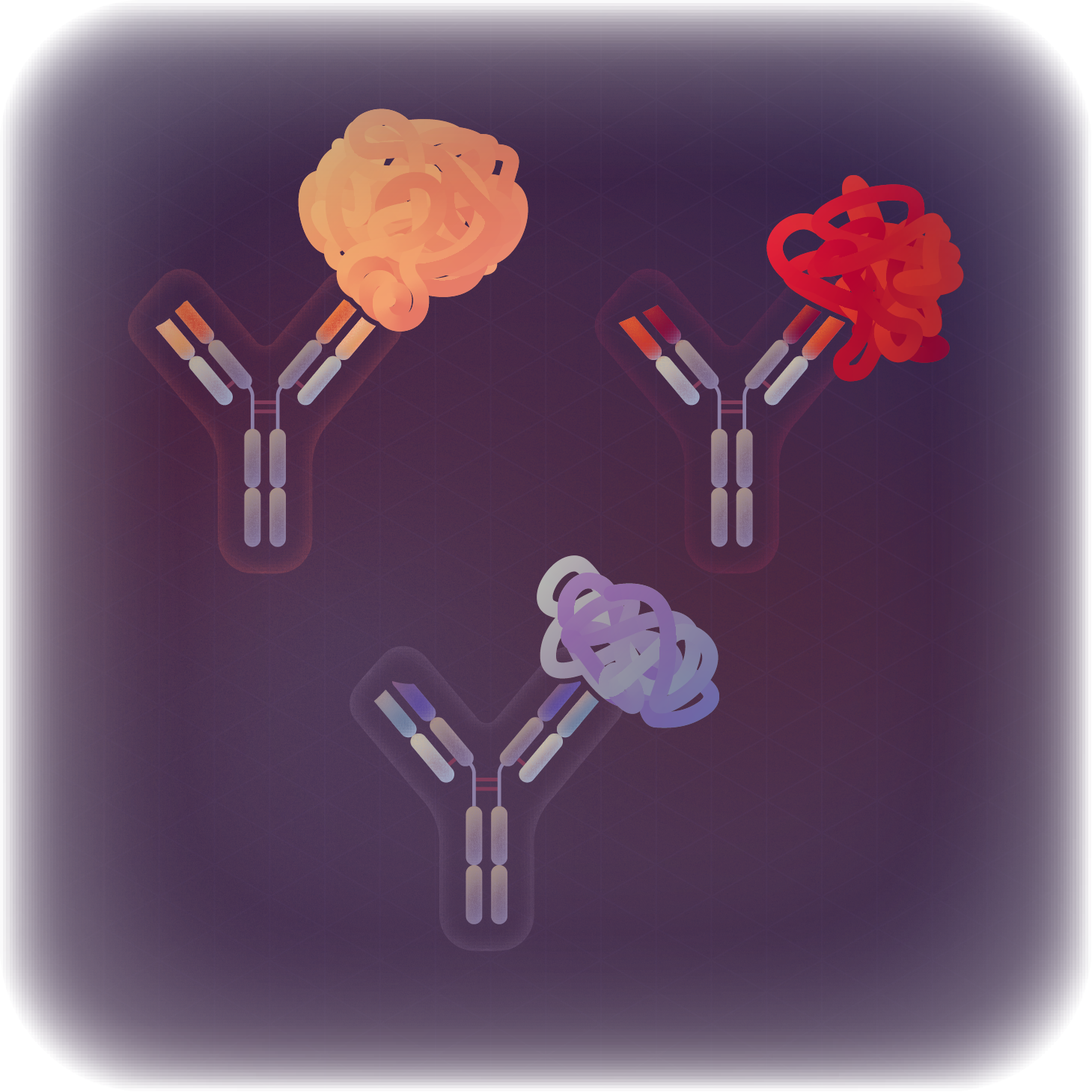
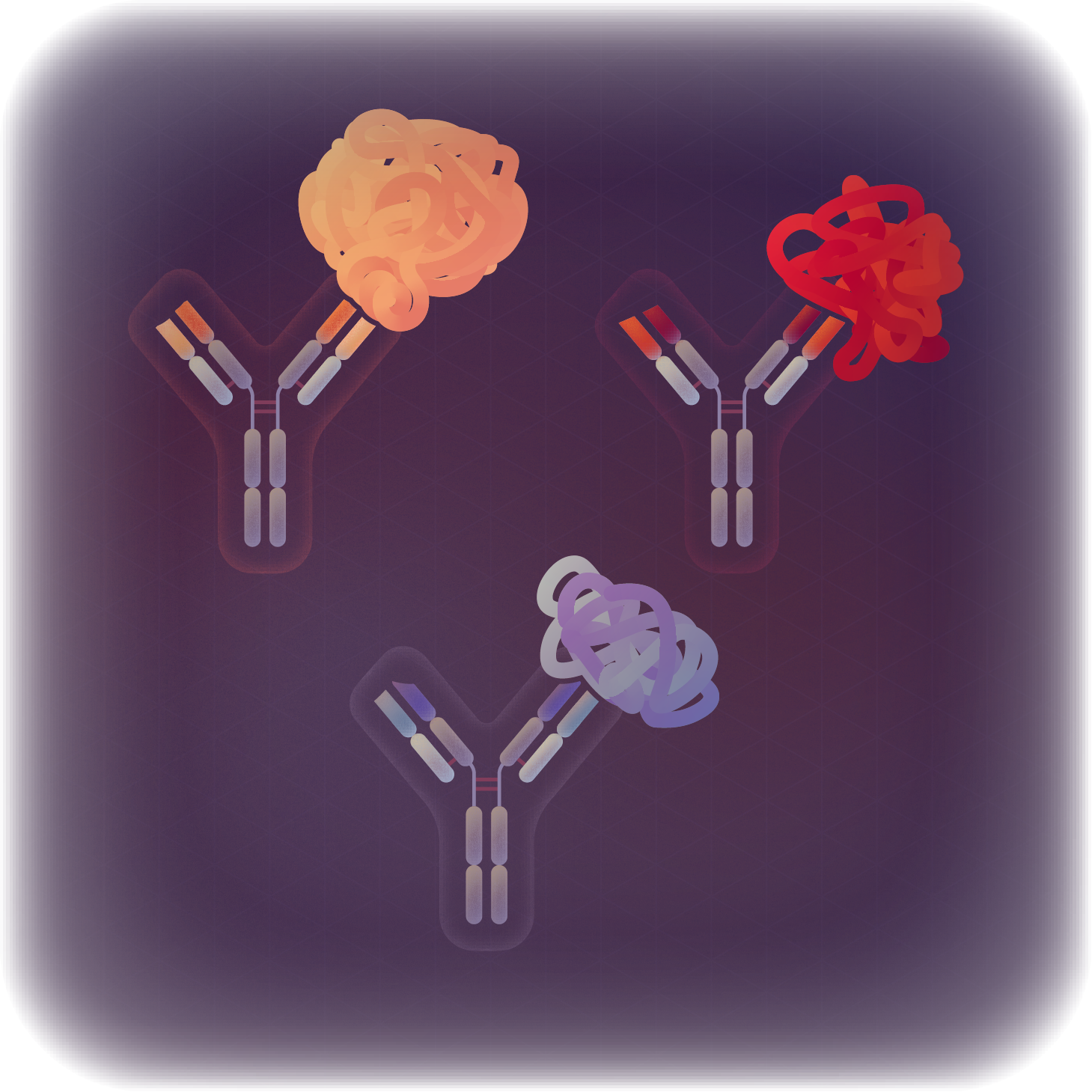
The fact that antibodies’ binding specificities are dictated by just a few short loops — and that their structures otherwise don’t change — is the secret sauce of the body’s antibody response. It means the immune system can generate a vast antibody repertoire, with antibodies that recognize virtually any molecule, just by varying a small region of the sequence. And conversely, it means that every antibody, regardless of the antigen it recognizes, can reliably call up an immune response. Moreover, antibody-producing B cells can fuse a given variable region to different constant regions to generate antibodies that all recognize the same antigen but activate different immune responses (called “class switching”).
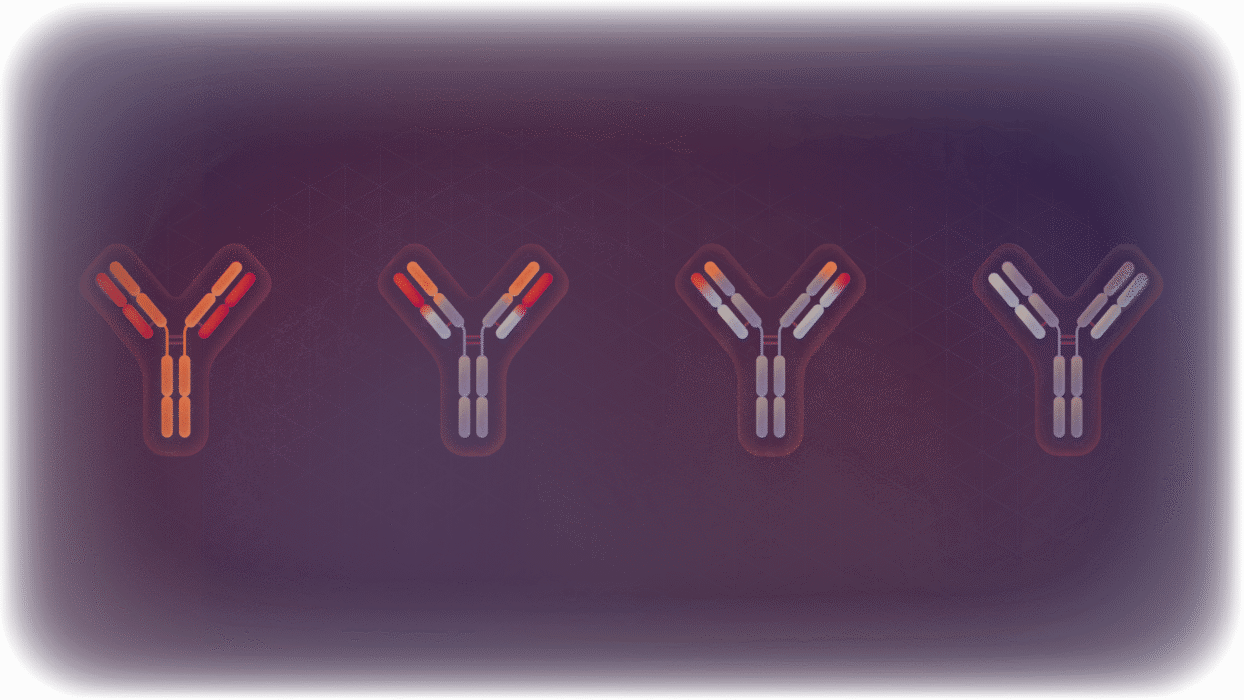
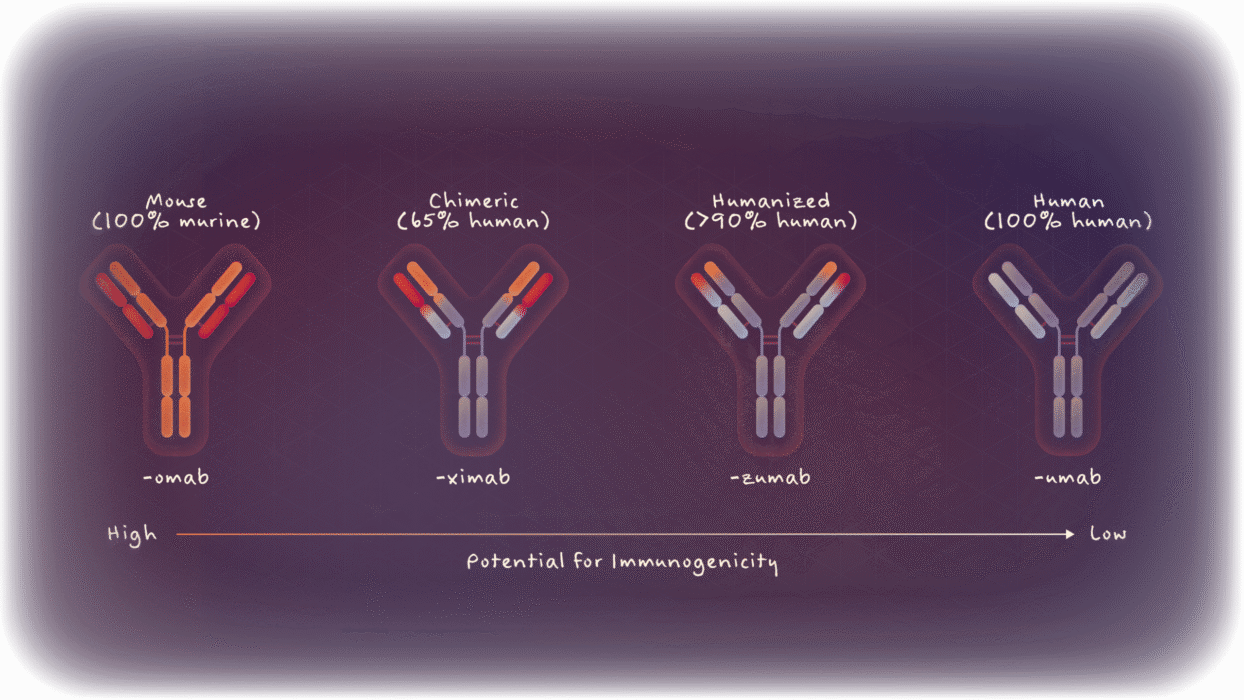
Scientists can do much the same in the lab. They can make diverse antibody libraries, with members capable of binding many different targets, just by randomizing a short sequence. And, since all antibodies have such similar structures and chemical properties, they generally can handle them with a common set of experimental protocols. They can readily clip out the antigen-binding sequences and move them into whatever antibody scaffold works best for their experiments — even scaffolds from different species. They can even remove large chunks of the antibody structure altogether, to engineer miniaturized protein-binding tools like scFvs and nanobodies [link to mini-binders explainer].
The challenge for scientists, then, as for the immune system, is to find the binding-site sequence with the specificity they need — a topic for a later date.
Hover to view labels.
Writer: Megan Talkington and Caitlin Faulds contributed to this story.
Illustrator: Anne-Lise Paris, www.in-graphidi.com
About IPI
The Institute for Protein Innovation is pioneering a new approach to scientific discovery and collaboration. As a nonprofit research institute, we provide the biomedical research community with synthetic antibodies and deep protein expertise, empowering scientists to explore fundamental biological processes and pinpoint new targets for therapeutic development. Our mission is to advance protein science to accelerate research and improve human health. For more information, visit proteininnovation.org or follow us on social media, @ipiproteins.