

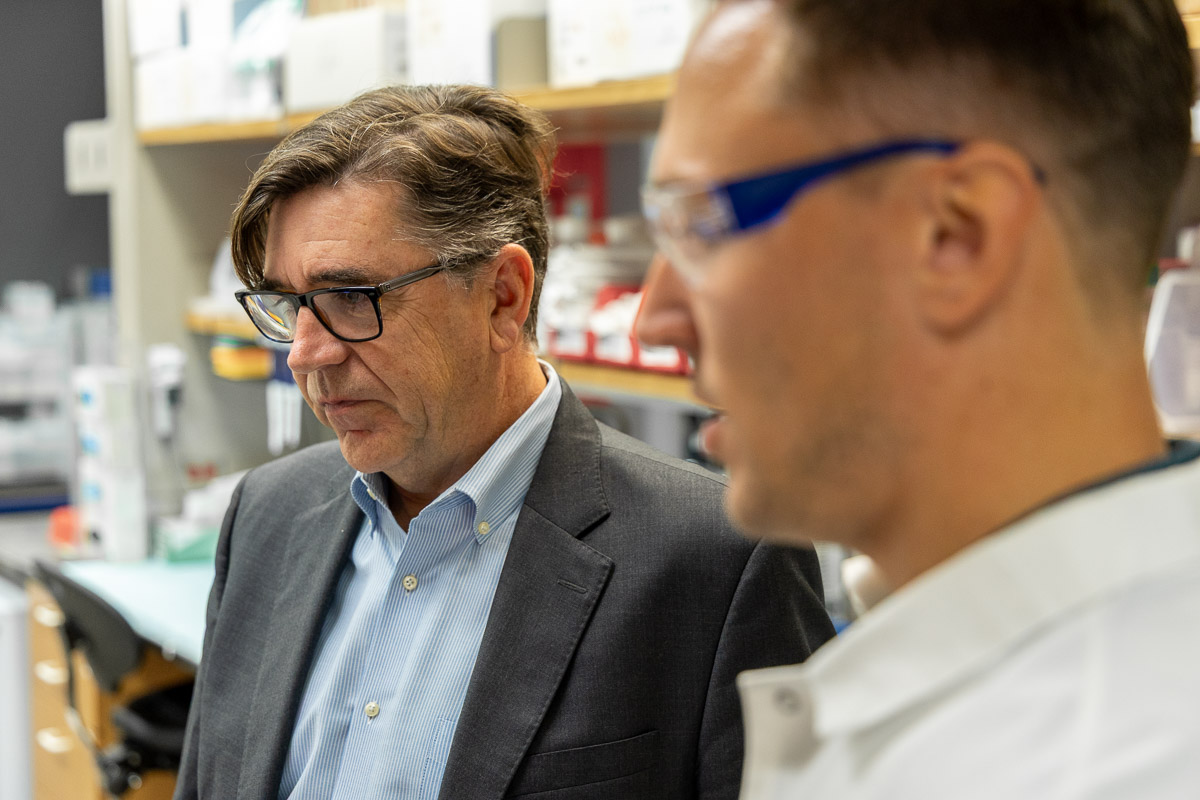
In science, the word “falling” can sometimes mean “failing.” But for Kevin Harvey, falling into science early in his career meant something closer to fitting—settling naturally into a life full of research and invention, assay and diagnostic development, and business leadership.
Harvey’s mother was a chemistry and biology teacher, and he spent much of his childhood in the grasslands outside Chicago, exploring, “always fascinated by the elegance of nature and how it works,” he recalls.
Science showed up at home, too. His mother would bring specimens back from her lab, and the kitchen table became an impromptu dissection bench.
Even so, Harvey is quick to note there was no single lightning-bolt moment when he decided to become a scientist. “Science was just always there,” he says.
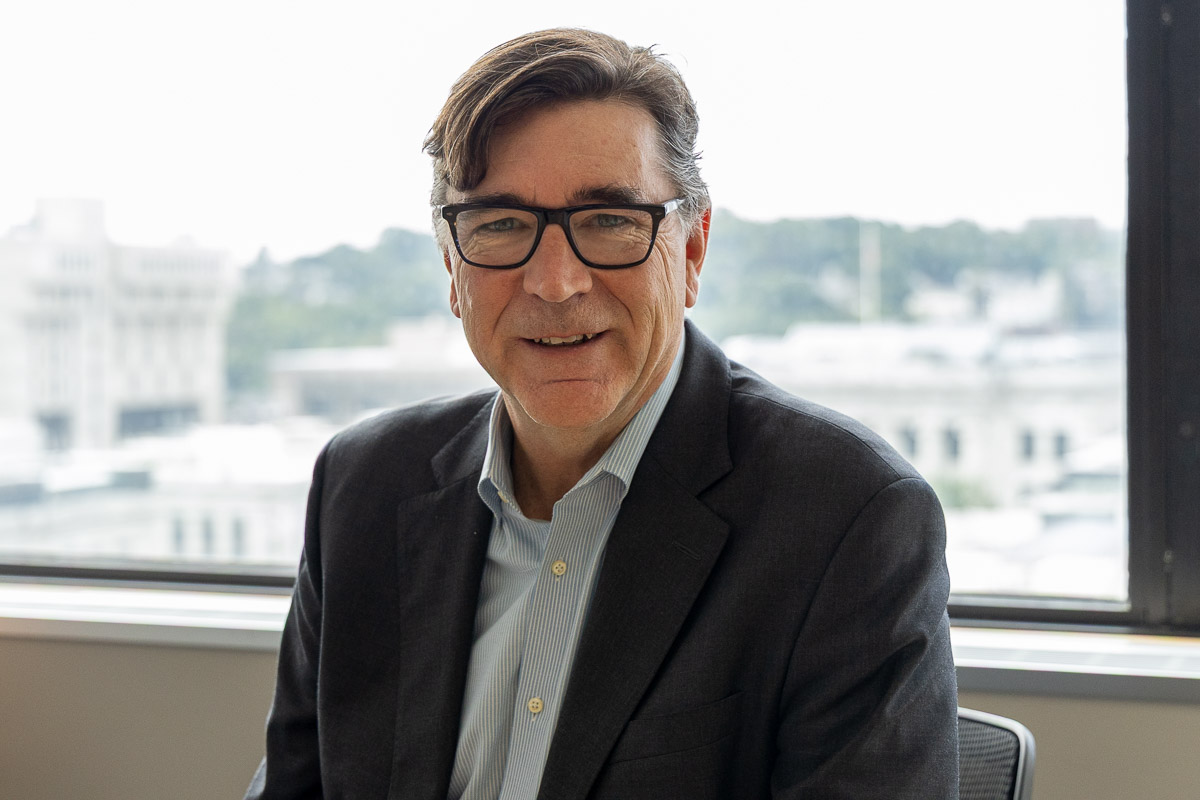
Today, “there” is the Institute for Protein Innovation (IPI), where Harvey has taken the helm as President and CEO, bringing with him decades of research, commercial, and leadership experience.
“I see the opportunity to make an impact, democratizing the latest technologies and getting them into the hands of basic researchers,” he says. “IPI is unique in that there’s nobody else working between the academic and commercial sectors in the antibody space.”
Crisscrossing academia and industry
Perhaps fittingly, Harvey’s early career followed its own academic-industrial back-and-forth. As an undergraduate at Loyola University Chicago, he gravitated to biology, but before he struck out toward a Ph.D., he headed west to the Bay Area and discovered, in his words, “this whole biotech industry.”
It was 1988, and across the water from the Golden Gate Bridge, Cetus Corporation was defining what industrial biotech would be. Harvey entered its halls just as Cetus scientist Kary Mullis published his novel—eventually, Nobel-winning—invention, polymerase chain reaction (PCR), and the company began supplying interleukin-2 to drive early cancer immunotherapy trials in Steve Rosenberg’s National Institutes of Health lab.
Harvey got to work with some of the first recombinant and monoclonal antibody technologies when they were still raw, unproven, and cutting edge. More importantly, his years at Cetus taught him that success requires more than an innovative spirit.
The company was trying to do many things at once—too many, Harvey observed—building instruments, developing protocols for its PCR technology, and producing recombinant cytokine therapies. Meanwhile, rival Genentech in South San Francisco achieved success and sustainability by concentrating on single strength, recombinant hormone products.
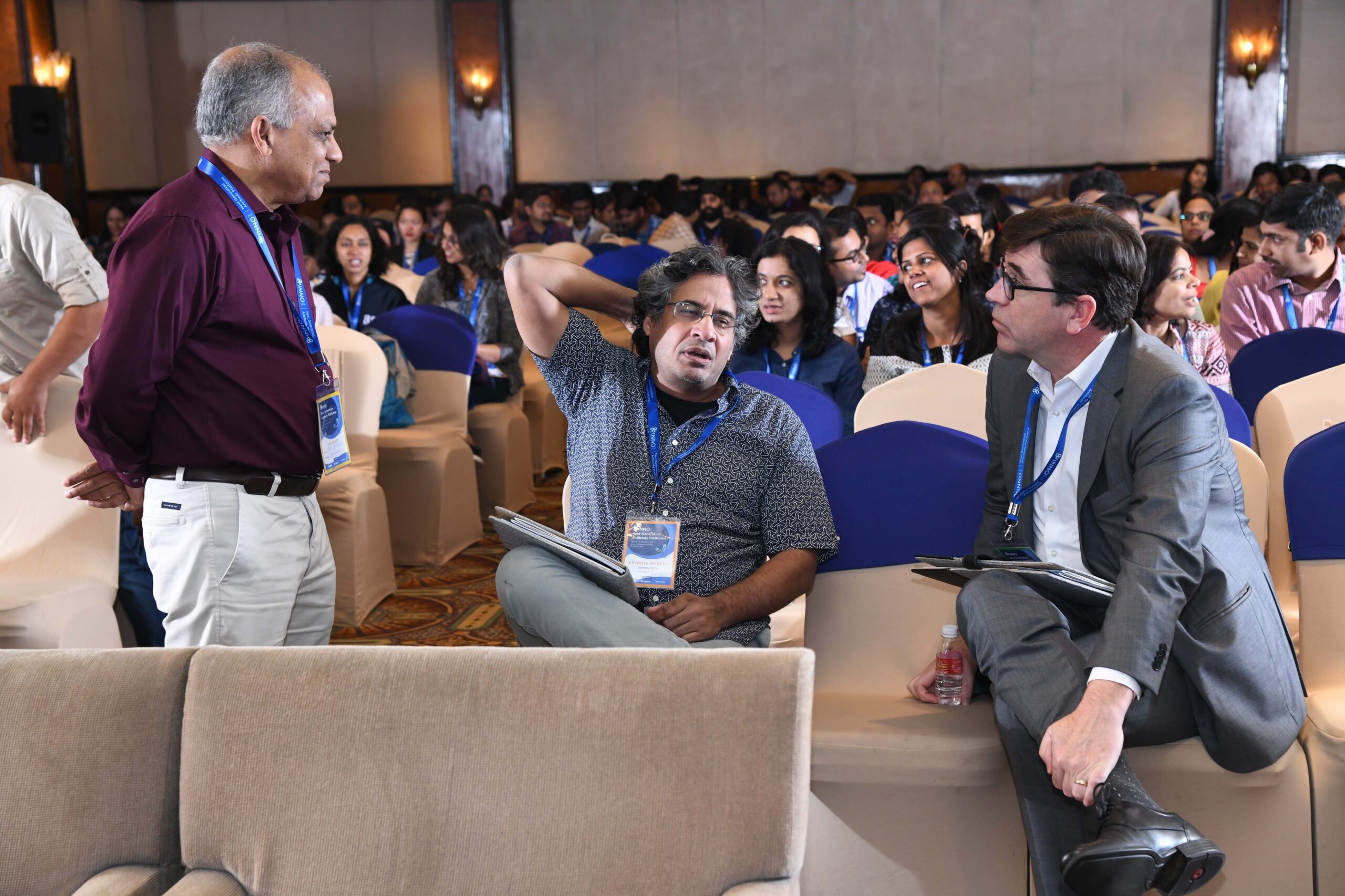
“That was the biotechnology model,” he recalls, “make all kinds of recombinant things. But, we learned, you also have to focus.”
DNA and cell death
As the biotech industry moved and pivoted, Harvey carried on. He married and returned to academia and the Midwest to earn his Ph.D. in microbiology and immunology from the University of Illinois Chicago. There, he mapped a molecular cell-death pathway and probed related cell death events, with implications for cancer and neurodegenerative disease.
In 1999, he embarked on a postdoctoral stint in John Newport‘s laboratory at the University of California, San Diego. The two teased apart the molecular workings of protein complexes critical for DNA replication and genomic stability.
Wanting to continue his research pursuits while also putting down roots with a growing family, Harvey rejoined industry, this time at Calbiochem, part of the Merck Group. There, he worked with Robert Abraham, now with Engine Biosciences, to develop the first commercial assay for mTOR (mammalian target of rapamycin), a central regulator of metabolism and physiology.
Harvey took that commercialization lesson to heart. In academia, “you can get it to work once or twice, and then you publish it,” he says. “But Bob’s assay needed to work in every lab everywhere, every time scientists took it out of the box. That was a big hurdle.”
The pair overcame that challenge to offer a successful pre-clinical discovery assay. Harvey then transitioned into business development at the company, scouting innovative scientists and promising technologies. “The goal was to stay ahead of everything and see where the science was going,” he says.
Binders and business
Then, Harvey was recruited to eBioscience, which Affymetrix had recently acquired. The company focused on immunology and flow cytometry — key technologies in the pursuit of treatments for autoimmune and neurodegenerative diseases, cancer, and even heart disease.
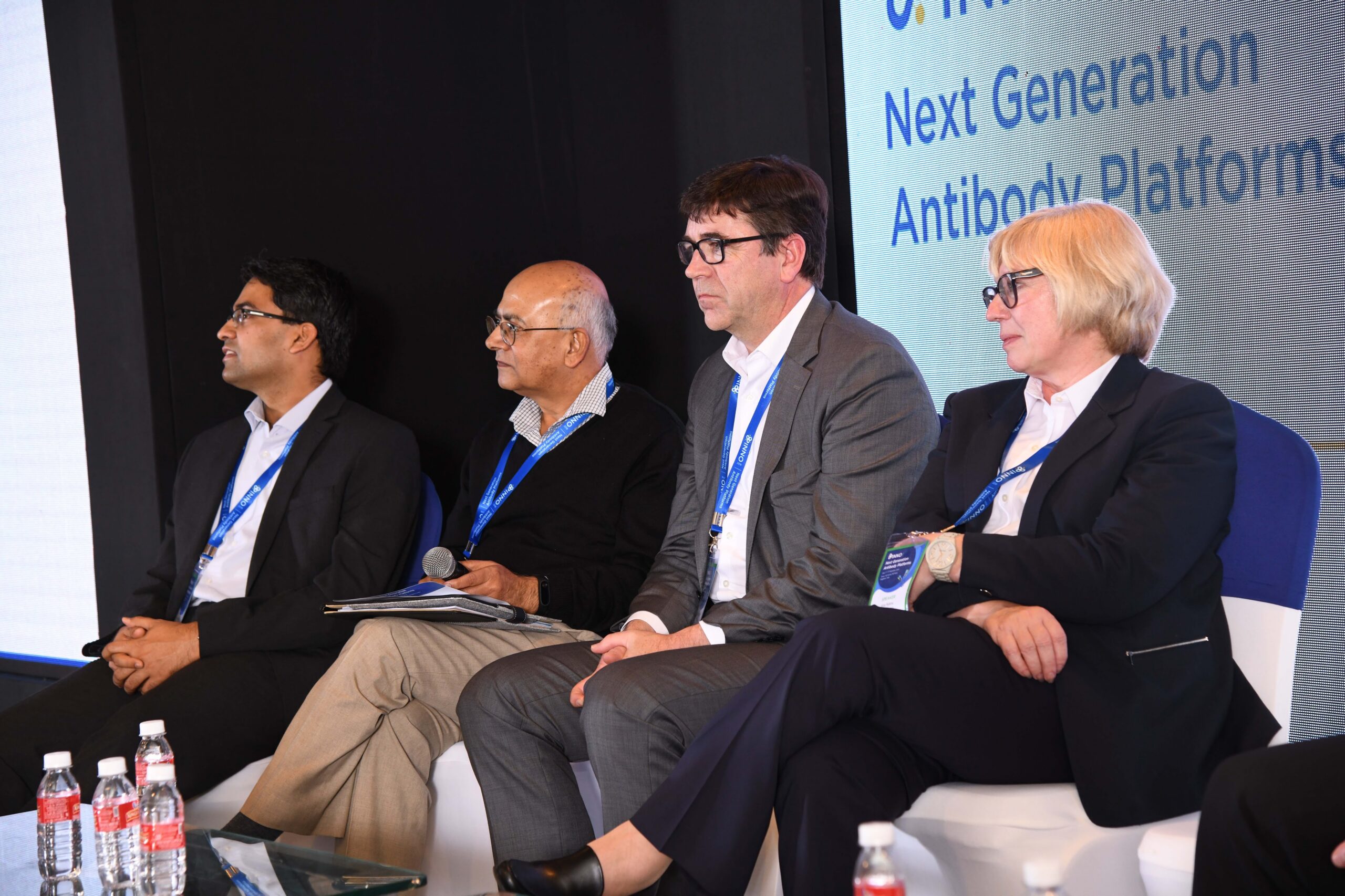
Flow cytometry, he explains, has become “a color game.” The more hues a researcher can multiplex, the more they can see at once. More colors meant a growing need for affinity binders and dyes, and that’s where Harvey learned the ins and outs of developing, licensing, and managing antibody portfolios.
When Thermo Fisher Scientific acquired the company, Harvey moved into managing Thermo’s antibody business—a large-scale operation within a matrixed organization — where he took on profit and loss (P&L) responsibilities and a general management role.
He was then recruited by Aviva Systems Biology, an antibody and protein production company, where, as President, he moved beyond managing business activities to developing long strategies and running a company end to end.
Harvey understood that Aviva needed to change because the market had changed. Scientists were demanding renewable reagents due to concerns about lack of reproducibility.
“I had the opportunity to change Aviva from a polyclonal to a recombinant antibody company and focus it on important clinically relevant targets,” he says. “Joining Aviva allowed me to institute change at a whole-company scale. It was exciting.”
The business of a nonprofit
And then came IPI. When Harvey learned about IPI’s nonprofit model and its mission to accelerate biomedical research through protein tools and science, he was drawn to the opportunity to make an impact outside of industry.
“The kind of antibody development that IPI is doing is very hard for traditional antibody manufacturers to rationalize,” he says.
The need for quarterly, near-term rewards, he believes, keeps technologies such as yeast display and antibody engineering “locked up in pharma and biotech companies that are developing therapeutics.”
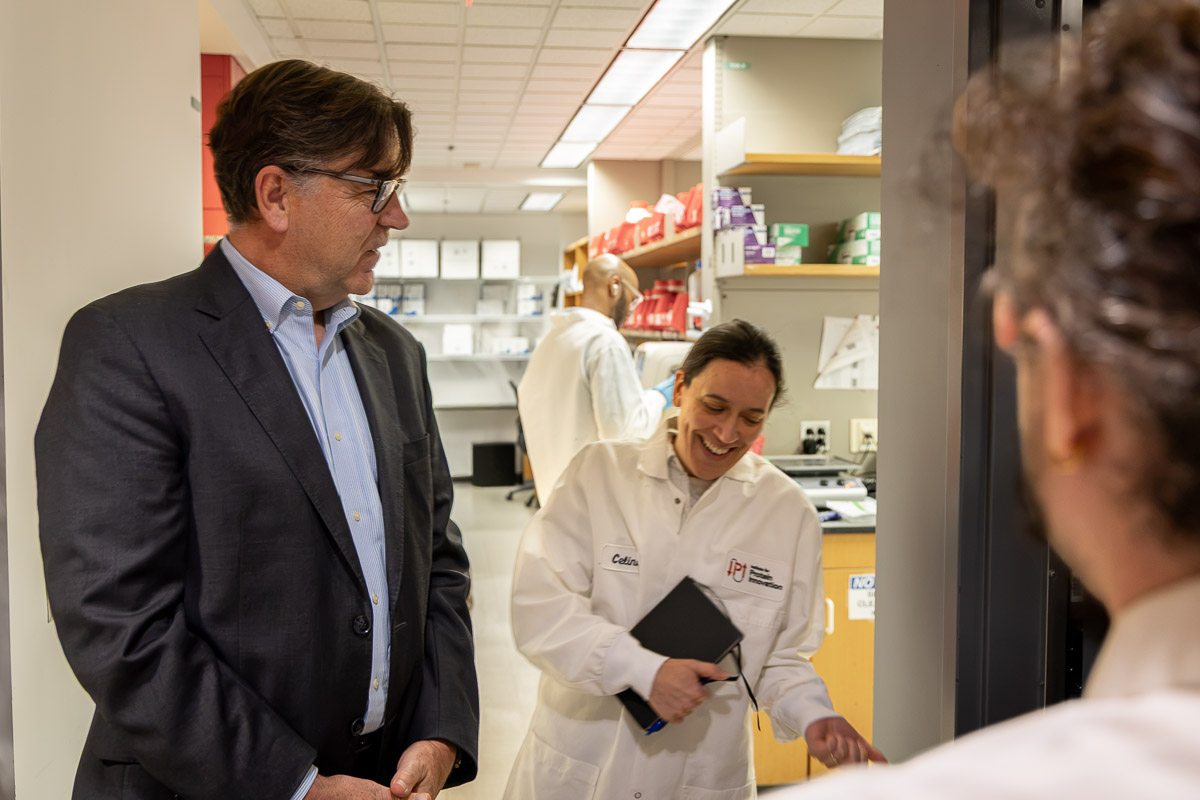
As a nonprofit founded on the philanthropy and vision of Tim Springer, IPI is positioned to unlock some of those tools for wider use. The Institute can make protein reagents and tools available to basic researchers to enable new discoveries, make headway in intractable disease areas, and shed light on poorly understood biological mechanisms.
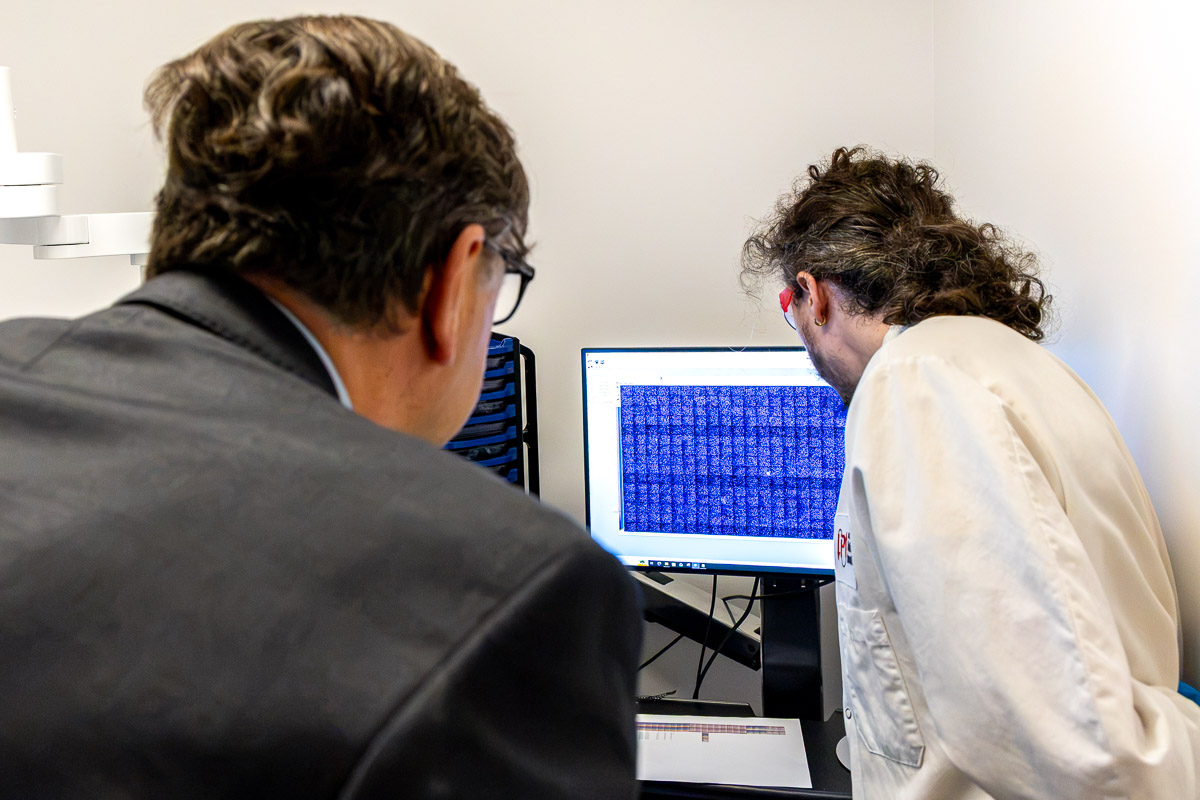
Harvey sees IPI’s biggest opportunity in making quality reagents against important emerging targets, specifically in neuroscience. He also has his eye on the next frontier of computation and AI, where IPI might harness nearly a decade of antibody-discovery datasets to improve the discovery process and inform protein design.
Serving the mission
Ambitious as those goals might be, Harvey is quick to point out that IPI’s vision was already in place when he arrived, and that realizing it isn’t his job to execute alone.
“I see myself as the shepherd of IPI and of Tim Springer’s original vision of making science and technology available to the wider research community,” he says.
He also knows he’ll have plenty of help: scientists and staff who have spent nearly a decade building the Institute.
Harvey’s approach to leading them traces back to a lifelong love of basketball and its lesson that “nothing of significant scale can be realized without a large team of committed, talented, and enthusiastic team members,” he says. He calls his management style “servant leadership,” leading by example, as part of a team rather than above it.
He looks forward to working with the group as he looks back at all the ground he’s covered, from cytokines at Cetus to antibody portfolios across three companies to now steering a nonprofit research institute. Over time and with experience, Harvey points out his primary motivation hasn’t changed. It’s only deepened.
“I still have a keen interest and curiosity in science and new technologies that can change the way we do things,” he says. “I’m excited by what’s ahead, whether it’s new targets or new ways of getting to those targets or something else we have yet to uncover.”
Sources:
Kevin Harvey, info@proteininnovation.org
Writer:
Trisha Gura, trisha.gura@proteininnovation.org
About IPI
The Institute for Protein Innovation is pioneering a new approach to scientific discovery and collaboration. As a nonprofit research institute, we provide the biomedical research community with synthetic antibodies and deep protein expertise, empowering scientists to explore fundamental biological processes and pinpoint new targets for therapeutic development. Our mission is to advance protein science to accelerate research and improve human health. For more information, visit proteininnovation.org or follow us on social media, @ipiproteins.